

Youth Baseball Uniform Options for Growing Players

Last Updated: October 30, 2026
Quick Summary
The best youth baseball uniform options for growing players start with margin, not a perfect current fit. Size for where the player will be at the end of the season, typically one size up in pants and a jersey that allows full range of motion. Custom uniforms win for growing rosters because they let you control fit, sizing mix, and color across the whole team.
Size for end-of-season growth, not the start, and avoid sizing two sizes up.
Measure chest, waist, inseam, and sleeve length for every player and record the date.
Custom gear pays off when a roster spans multiple age groups or needs mixed fits.
Check package contents, since low headline prices often exclude belts, socks, or practice jerseys.
Submit one consolidated order with a verified size list to prevent most problems.
Table of Contents
Why Growing Players Need a Different Uniform Strategy
Youth baseball uniform options for growing players are not a scaled-down version of the adult buying decision, and the right youth baseball uniform options for growing players start with margin, not a perfect current fit. Kids grow between the fitting and the first pitch. A uniform strategy built for adults assumes a body that stays the same size for a season. That assumption fails every spring.
Teams that deal with this every year tend to see the same pattern: a team fits everyone in February, and by May half the roster is fighting their pants.
The core problem is timing, not budget. Growth spurts cluster in early adolescence, and a season spans roughly the same window. A uniform that fits perfectly in week one is often too small by week ten.
So the strategy shifts. Instead of buying the best fit today, you buy the best fit with a margin for tomorrow. That single change affects sizing, materials, and how you order.
Youth Baseball Uniform Sizing That Leaves Room to Grow
Youth baseball uniform sizing should prioritize adjustability over a perfect current fit. A uniform that fits snugly in March will likely restrict movement by midseason.
How Much Room Should a Youth Uniform Have?
A common approach is to size for where the player will be at the end of the season, not the start. For most growing players, that means one size up in pants and a jersey that allows a full range of motion without looking oversized.
Practical targets:
Pants: enough length to reach the shoe with a slight break, plus room to let the hem down
Jersey: shoulder seams sitting at or just past the natural shoulder line, never tight across the chest
Belt and waist: adjustable or elastic options that can tighten now and loosen later
Watch out: sizing two sizes up to "grow into" a uniform backfires. Players trip on long pants and lose throwing mechanics in jerseys that swallow their arms.
Measuring Players Without Guesswork
Measuring without guesswork means capturing current measurements and projecting growth, not eyeballing. A soft tape measure, a consistent method, and a simple chart do the job.
Measure chest, waist, inseam, and sleeve length for every player. Record the date. Then add a growth allowance based on age band and the player's recent growth history.

Custom Youth Baseball Uniforms vs. Stock Options
Custom youth baseball uniforms win for growing rosters because they let you control fit, sizing mix, and color across the whole team. Stock options are faster and simpler but force every player into a fixed size run. For a team with a wide age spread, custom usually produces fewer fit failures.
The trade-off is lead time. Custom orders need planning; stock orders can be reordered midseason. Teams with stable rosters often prefer stock. Teams with mixed ages and growth variance get more value from custom.
Where Custom Gear Pays Off for Growing Rosters
Custom gear pays off when a roster spans multiple age groups or when players need different fits within the same uniform design. Being able to order a mix of sizes in one design, with consistent colors, keeps the team looking unified while each player gets a workable fit.
It also helps when a player outgrows one piece. A custom program lets you reorder a single size in the same design instead of replacing an entire set.
The article weighs custom and stock uniforms on fit control, speed, and reordering flexibility.
Option | Best for | Key difference |
Custom youth uniforms | Rosters with a wide age spread | Control fit, sizing mix, and color across the team |
Stock options | Teams with stable rosters | Faster and simpler, but fixed size run |
Custom reorders | A player who outgrows one piece | Reorder a single size in the same design |
Stock reorders | Midseason needs | Can be reordered midseason |
What to Look for in Youth Baseball Uniform Packages
A strong youth baseball uniform package covers the full kit, fits the roster's size spread, and includes pieces that are easy to replace individually. Price matters, but replacement flexibility matters more over a multi-season horizon.
Package Contents and Hidden Extras
Check what is actually included before comparing packages. Readers can also browse Atomics Custom Socks to complete the uniform set. A low headline price often excludes belts, socks, or practice jerseys, and those add up across a full roster.
Look for packages that include:
Jersey and pants in a coordinated size mix
Belts and socks sized to the roster
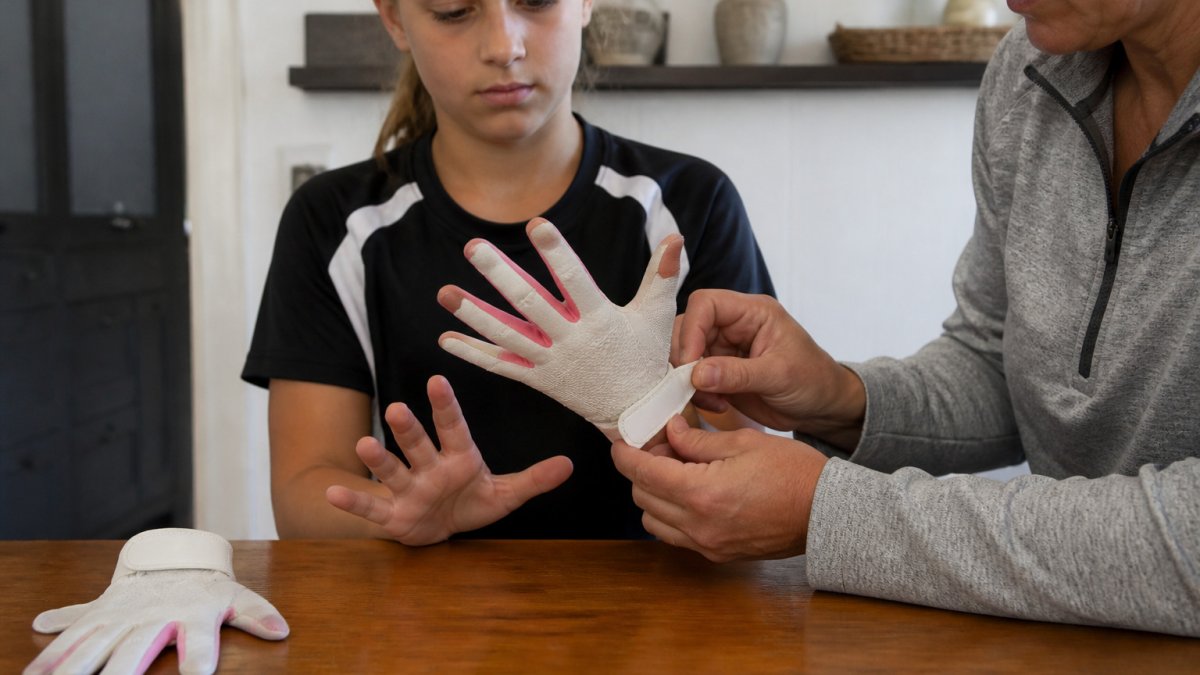
Options to add pieces like a custom fielding glove or a custom duffle bag without a separate order
Clear reorder terms for single pieces
How Long Do Baseball Uniforms Last?
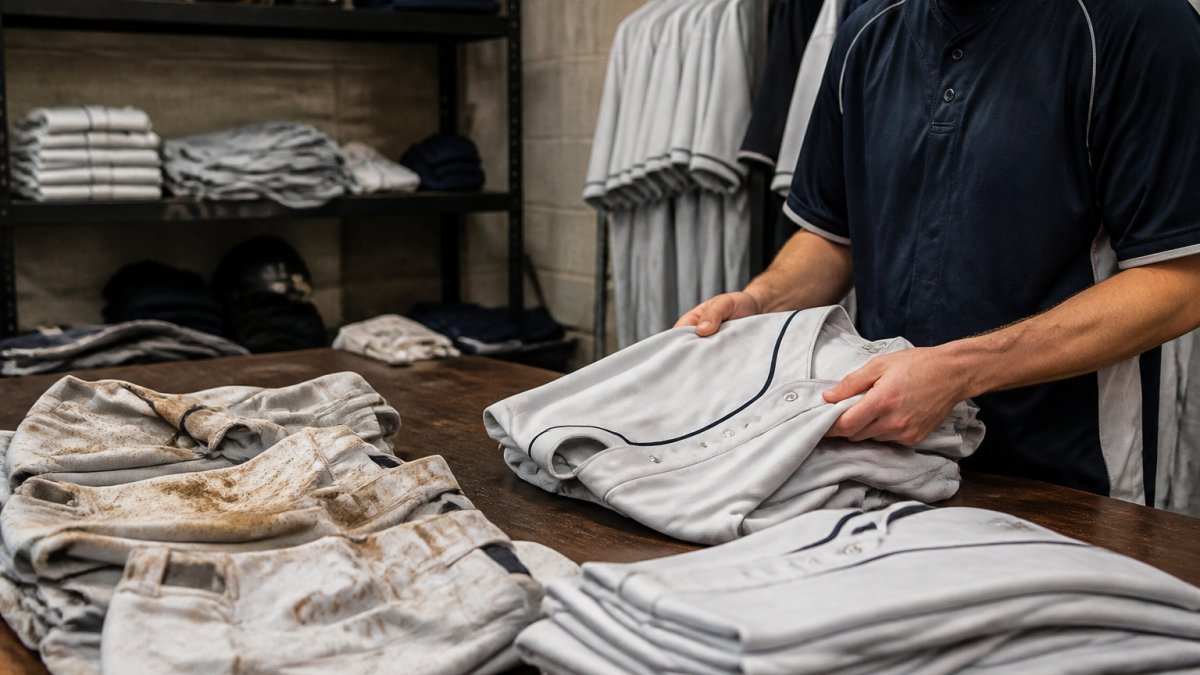
Baseball uniform life depends on material quality, care, and how hard the uniform is worn. Practice jerseys and pants that take the most abuse from sliding and diving tend to wear faster.
The variables that shorten uniform life:
Thin fabric that thins further with repeated washing
Weak stitching at stress points like knees and seat
Poor colorfastness that fades after a few washes
Sizing that starts tight, which accelerates seam strain
A uniform worn twice a week and washed properly will outlast one worn daily and dried on high heat. Care habits matter as much as build quality.
Materials and Durability: What Holds Up to a Youth Season
Durability in youth uniforms comes down to fabric weight, stitch quality, and how the material handles repeated washing. Youth players put gear through more than adults: sliding, diving, and daily practice wear.
Materials worth prioritizing:
Full leather in gloves
Lightweight performance fabrics like Sereno
Ordering Your Team's Uniform Package
Ordering a team package works best when you gather sizes and payments in one place, confirm lead times in writing, and lock the size mix before the deadline. Spreadsheets and email chains create errors. A single consolidated order with a verified size list prevents most problems.
A practical ordering sequence:
Collect measurements for every player with dates
Project end-of-season sizes and record the allowance used
Confirm what the package includes and what costs extra
Verify lead time against your first game date
Submit one consolidated order with the full size mix
Growing rosters benefit from a strategy built around margin, durable materials, and a package you can reorder piece by piece. Hometown Team Sports offers custom team packages with full leather and lightweight Sereno fabric options, 42 leather color choices for gloves, and unlimited fabric color customization. Get started with Hometown Team Sports and outfit your team for the season ahead.
Frequently Asked Questions
How should you size a youth baseball uniform for a growing player?
Measure the player's chest, waist, and inseam, then compare those numbers to the supplier's size chart rather than ordering by age. Leave roughly one size of growing room in the jersey and pants, but avoid going more than one size up because baggy pants can trip a player running bases. Ask whether the supplier offers open-bottom pants with adjustable waists, which stretch the usable range of a single size across a growth spurt.
How long do youth baseball uniforms typically last?
A well-made youth uniform usually lasts one to two full seasons of regular practice and games before fabric wear, fading, or seam failure shows up. Longevity depends on material quality, how often the uniform is washed, and whether players wear it for practice.
Are custom youth baseball uniforms better than stock options for growing teams?
Custom youth baseball uniforms make more sense when you need consistent colors, team branding, and sizing that matches your actual roster.
What should a youth baseball uniform package include?
Confirm with the supplier exactly what a package covers and whether replacement pieces can be ordered individually. Ask about turnaround time before the season starts, since custom packages need production and delivery lead time, and check what the supplier does if a size arrives wrong.

Comments