

How to Choose Baseball Pants for Hot Weather Games

Quick Summary
The best baseball pants for hot weather are lightweight, breathable, and quick-drying, with ventilation where heat builds and enough stretch to move freely. Choose the pant length your league allows, and pick a relaxed but athletic fit so the fabric neither clings nor flaps. Measure players carefully before ordering.
Compare fabric weight in oz/yd² or gsm, since lighter is generally cooler.
Check ventilation behind the knee and along the inner thigh, where sweat pools.
Test dry time by wetting, wringing, and timing how fast a fabric sample dries.
Knickers with high socks are cooler, but they need sliding protection.
Measure waist, inseam, hips, and thighs over light clothing before using a size chart.
Table of Contents
Why Hot Weather Changes What You Should Wear
Last Updated: November 8, 2026
Hot weather changes everything about baseball pants. A pair that feels fine in April can turn into a heavy, sweaty burden in July. Picking the right pants for a hot game comes down to fabric, fit, and style. Here is how to choose well.
Heat makes players sweat more, and sweat that stays on the skin slows movement and causes chafing. Pants that trap heat also make players tire faster across a long doubleheader or tournament day.
Heat builds up quickly under thick, tight fabric
Sweat soaks heavy pants and weighs them down
Chafing gets worse at the thighs and waistband
Players lose focus when they feel uncomfortable
The goal is simple. You want pants that breathe, dry fast, and let players move freely from the first pitch to the last.
Choosing Breathable Fabric for Hot Weather Baseball Pants
Breathable fabric is the most important factor in hot weather, but "breathable" on a product page is a marketing word until you attach numbers to it. The useful approach is to compare pants on four measurable criteria, fabric weight, ventilation design, stretch, and dry time, so you can rank options instead of trusting adjectives.

The Four Measurable Fabric Criteria
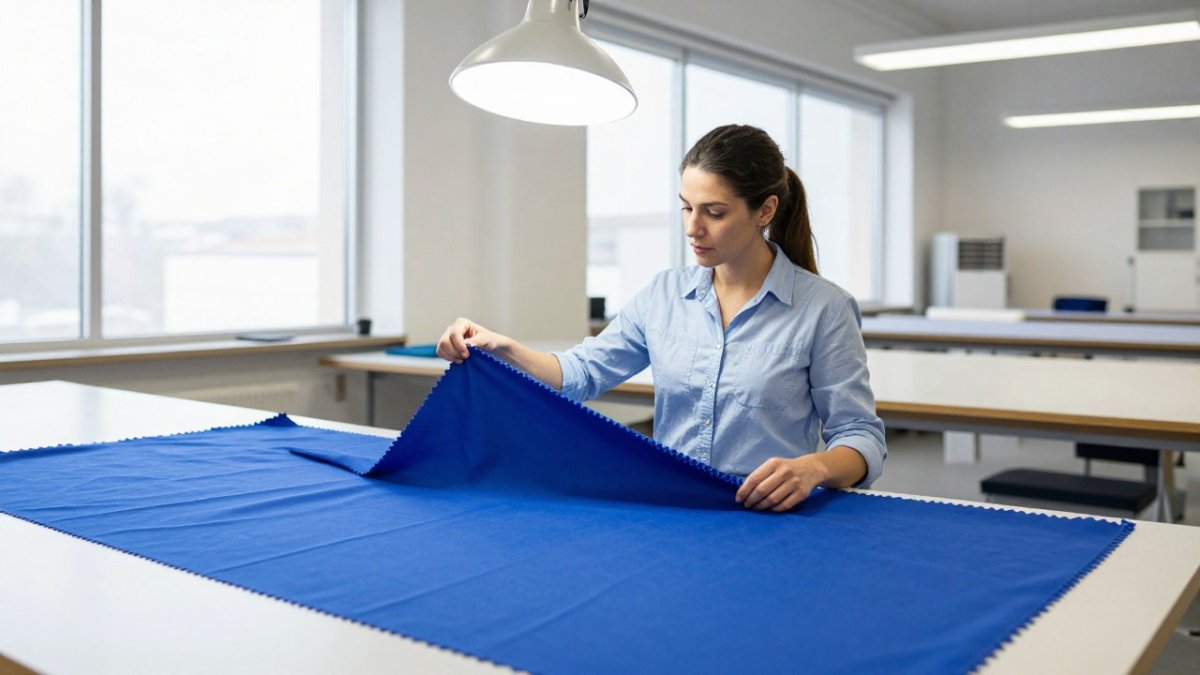
1. Fabric weight. Fabric weight is usually listed in ounces per square yard (oz/yd²) or grams per square meter (gsm). For hot-weather baseball, lighter is generally cooler, but there is a floor: fabric that is too thin loses durability at the knees and seat, where sliding wear is concentrated.
2. Ventilation design. Ventilation is not just "mesh panels." Look at where the openings sit and whether they align with where heat builds. Mesh behind the knee and along the inner thigh moves air where sweat pools; a mesh strip on the outer thigh looks technical but does less. Open weaves and perforated panels breathe better than tight twill, but they also snag more on slides, a tradeoff worth naming.
3. Stretch. Stretch is measured as a percentage of elastane or spandex in the blend, and two-way versus four-way stretch matters. Four-way stretch lets fabric move in both directions, which helps on slides and in a crouch. A small amount of stretch (often in the single digits as a percentage of the blend) is enough for most players; more stretch usually means a softer hand but sometimes less abrasion resistance.
4. Dry time. Quick-drying fabric pulls sweat away from the skin and releases it, so pants stay lighter between innings and between games of a doubleheader. You can test this yourself: wet a small section of fabric, wring it, and time how long it takes to feel dry to the touch. Pants that dry slowly sag, cling, and feel heavier on the basepaths.
How to Read a Product Page Without Getting Fooled
A product page that only says "comfortable" or "lightweight" tells you very little. Look for the actual spec sheet: fabric weight, fiber blend, stretch percentage, and any named ventilation zones.
Watch out: a very light fabric with no reinforcement at the knee can feel great in the store and blow out after a few slides, check the knee construction alongside the weight number.
Moisture-Wicking and Quick-Drying in Practice
Moisture-wicking fabric moves sweat to the surface so it can evaporate; quick-drying fabric releases that moisture fast. Together they keep pants from turning into a wet, heavy layer after a long, sweaty game. For hot-weather play, prioritize a wicking blend with a short dry time over a heavier fabric with a premium feel. The practical test is simple: lighter, faster-drying pants stay comfortable deeper into a doubleheader, while heavy pants feel fine for an inning and then drag.
The article compares the four measurable fabric criteria that matter most when ranking pants for heat.
Criterion | What to check | Watch out for |
Fabric weight | Ounces per square yard (oz/yd²) or grams per square meter (gsm) | Too thin loses durability at knees and seat |
Ventilation design | Mesh behind the knee and along the inner thigh | Outer-thigh mesh does less |
Stretch | Percentage of elastane or spandex; two-way or four-way | More stretch can reduce abrasion resistance |
Dry time | Wet a fabric sample, wring it, time how long it takes to feel dry | Slow-drying pants sag and feel heavier |
Knickers vs. Full-Length Baseball Pants: Which Works Better in Heat
Pant length is the heat decision most players get wrong, because the tradeoff is not just "more leg equals cooler." Length, cut, and looseness each change airflow, sun exposure, and sliding protection in different directions, and your league's uniform rules may remove the choice entirely.
How Each Style Actually Behaves in Heat
Knickers end below the knee and expose the lower leg. More exposed skin means more surface for heat to escape and less fabric to soak with sweat, which is why many players find them cooler on hot afternoons. The cost is protection: the exposed shin and calf take the brunt of a slide, so knickers pair best with high socks and, for infielders who slide often, a sliding pad or compression sleeve.
Full-length pants cover the whole leg. They offer more sliding protection and a more uniform look, but they trap more heat and hold more sweat, especially in a heavy twill. In heat, the difference between a full-length pant that breathes and one that does not is larger than the difference between knickers and a good full-length pant.
Tweener styles end mid-calf, a middle option that keeps some airflow while covering more of the shin than knickers. They are a reasonable compromise when a league allows them and a player wants protection without full coverage.
The Cut and Looseness Variable
Length gets the attention, but cut may matter more. A relaxed but athletic cut lets air move between fabric and skin; a tight cut traps heat against the body, and an overly loose cut catches wind and drags on slides. The sweet spot is fabric that does not press against the skin but also does not flap when a player runs. Loose, billowy pants can actually feel hotter because they hold a layer of humid air and soak up more sweat.
What League Rules Allow
Before comparing styles, confirm what your league permits. Many youth and adult leagues specify knickers, full-length, or either, and some require a matching sock height with knickers. If your league mandates full-length pants, the heat decision shifts entirely to fabric and fit, pick the lightest, fastest-drying full-length option you can find rather than fighting the rule.
A Practical Decision Rule
If the league allows a choice and the day is very hot, knickers with high socks maximize airflow, provided the player has sliding protection.
If sliding protection or a uniform look matters more, choose full-length pants in a light, breathable fabric rather than a heavy one.
If the league allows tweeners and the player wants a compromise, they cover more shin than knickers without full-length heat retention.
If the league mandates one style, stop optimizing length and put the effort into fabric weight, ventilation, and fit instead.
Watch out: coaches sometimes pick knickers for early games and full-length for cooler evenings, then discover the league requires one uniform style for the whole team, confirm the rule before you order a mixed set.
Fit, Waistband and Freedom of Movement in Summer Heat
Fit matters more in summer than most people expect. Pants that are too tight trap heat. Pants that are too loose catch wind and drag during a slide.
Look for a relaxed but athletic cut. The legs should not press against the skin, yet the fabric should not flap when players run.
A soft, flexible waistband helps players stay comfortable through a long game. A waistband that digs in or rolls down causes constant adjusting, which breaks focus.
Youth Baseball Pants for Hot Weather: What Parents and Coaches Should Check
Young players grow fast, and heat makes comfort even more important for kids. Youth pants should be light and easy to move in.
Before you buy, check these points:
Lightweight, breathable fabric with some stretch
Elastic or adjustable waistband that stays put
Room in the seat and thighs for running and sliding
Length that matches the player's height and league rules
Parents and coaches should also plan for growth. Ordering pants that fit well now and still have room to grow saves money over the season.
Using a Baseball Pants Size Chart and Measurements Correctly
A size chart works only when you measure correctly. Use a soft tape measure and take measurements over light clothing, not over thick pads or a heavy belt.
Measure the waist at the natural waistline. Measure the inseam from the crotch to the bottom of the leg you want. Take the hip and thigh measurements too, because those areas matter most for movement.
Compare your numbers with the brand's size chart, not with another brand's sizes. Sizing varies, so the chart is your best guide.
Ordering Your Hot-Weather Team Pants From Hometown Team Sports
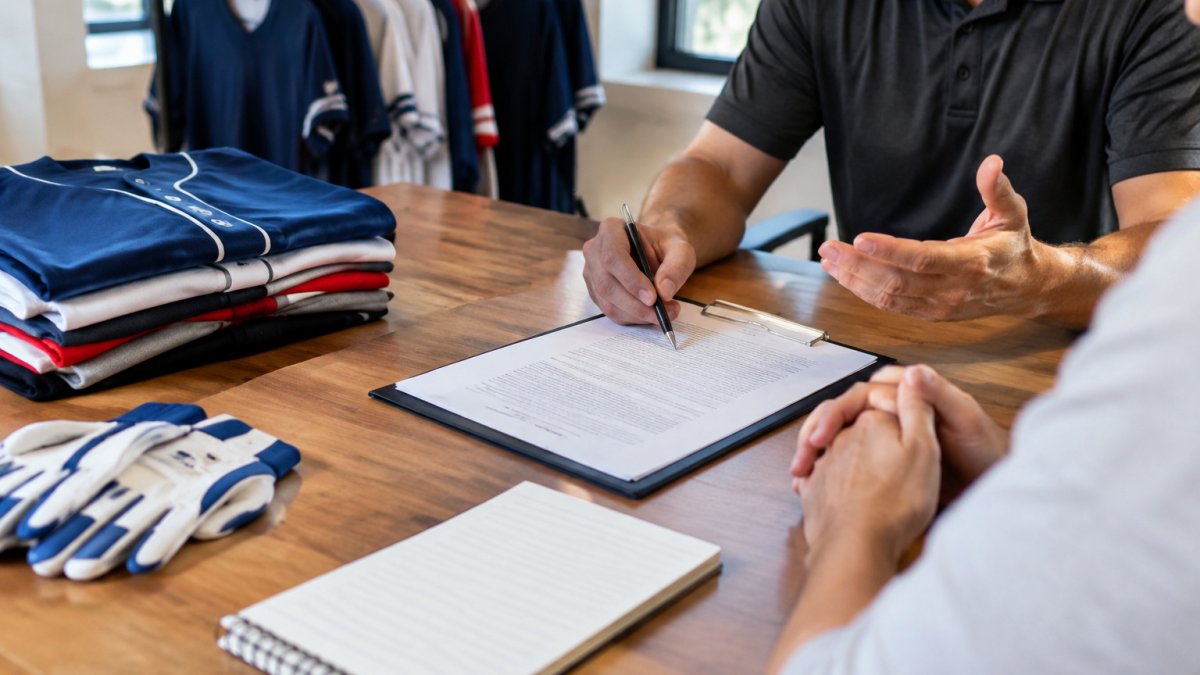
When you order team pants, plan ahead. Pricing depends on quantity, dates, and delivery, so request a quote for your exact order. Visit the Hometown Team Sports website to check current options and get a quote for your team.
Consider these steps before you place your order:
Confirm your league's pant style rules
Choose breathable, lightweight fabric
Measure every player carefully
Order extra sizes for growing youth players
Request a quote and check delivery timing
Hometown Team Sports offers custom team packages, so you can match pants to the rest of your uniform. Ready to get started? Visit the Hometown Team Sports website to request a quote and order your hot-weather team pants online today.
Frequently Asked Questions
What fabric is best for baseball pants in hot weather?
Lightweight, breathable polyester or poly-blend knits with stretch and moisture-wicking finishes tend to work best in heat. Look for pants that dry quickly after sweating and let air move through the fabric. Heavier twill or canvas-style pants trap heat and hold sweat against the skin, so they are harder to wear through a full doubleheader. Ask your supplier for fabric weight and performance details before ordering a team set.
Are lightweight baseball pants cooler than traditional baseball pants?
Usually, yes. Lighter fabric weight and more open construction allow more airflow, and quick-drying material keeps sweat from soaking in and cooling unevenly. Traditional heavier pants can feel comparable on a mild day but tend to feel hot and clingy once the temperature climbs. Compare fabric weight and stretch when choosing, not just the style name.
Are full-length or knicker-style baseball pants better for hot weather?
Knickers and tweener-length pants expose more skin around the knee and calf, which generally helps with heat release. Full-length pants give more coverage and slide protection but hold more heat. Many players in hot climates choose knickers or tweeners, while teams that slide often may keep full-length for protection. Consider your league's uniform rules and your players' sliding habits before deciding.
Should baseball pants fit differently for youth players?
Youth pants should fit close enough that the legs do not catch on cleats or dugout gear, but loose enough for full squats and running. Check the waist so it stays up without a tight band digging in during a long, sweaty game. Measure the player's waist, inseam and hip, and compare them to the size chart rather than relying on age alone, since growth spurts make age-based sizing unreliable.

Comments