

8 Travel League Uniform Fabric Choices That Hold Up All Season

Last Updated: November 21, 2026
Quick Summary
The best uniform fabric for travel league play is a polyester or polyester-blend performance fabric, because it balances breathability, durability, stretch, and color retention better than cotton or wool. Look for moisture-wicking polyester with four-way stretch for fitted pants, and add mesh panels in high-sweat zones like the back and underarms.
Pure cotton holds moisture and shrinks, while wool breathes but costs more and needs careful care.
Four-way stretch is the safer default for fitted travel pants because it moves in every direction.
Cold washing and air drying protect spandex fibers, since heat degrades stretch and speeds fading.
Sublimated designs generally hold color longer than surface decoration like screen print or embroidery.
Skip fabric softener, which can coat performance fibers and reduce wicking.
Not sure which fabric fits your team?
Hometown Team Sports offers custom uniforms with unlimited fabric colors and full team packages.
Table of Contents
Why Uniform Fabric Decides How a Travel Season Feels
Travel league uniform fabric and material choices shape almost everything about a season: how players feel in the sixth inning of a July doubleheader, how jerseys look in October, and how often your team has to buy replacements. This guide breaks down the decisions that matter most, from polyester blends to mesh panels to decoration methods.
Here is the short version. Performance fabrics built around polyester, with stretch and moisture management, are the common choice for travel play. Get the fabric right and the rest of the season gets easier.
The stakes are simple. A travel season means repeated games, repeated washes, and long tournament weekends. Fabric that pills, fades, or holds sweat turns every one of those into a problem. Fabric that stretches, wicks, and holds color just works, week after week.
Below, we walk through each fabric type, what it does well, where it falls short, and how to match it to your roster's age and level of play.
The Best Fabric for Baseball Uniforms: A Side-by-Side Comparison
The best fabric for baseball uniforms is a polyester or polyester-blend performance fabric, because it balances breathability, durability, stretch, and color retention better than cotton or wool. Pure cotton feels soft but holds moisture and shrinks; wool breathes but costs more and needs careful care.
Here is how the common options stack up.
Fabric | Breathability | Durability | Stretch | Best For |
100% polyester | High | High | Low to moderate | Jerseys, budget builds |
Polyester-spandex blend | High | High | Four-way stretch | Fitted pants, motion-heavy play |
Polyester-cotton blend | Moderate | Moderate | Low | Casual or rec use |
Cotton | Low | Moderate | Low | Non-performance wear |
Wool | High | High | Low | Traditional, cooler climates |
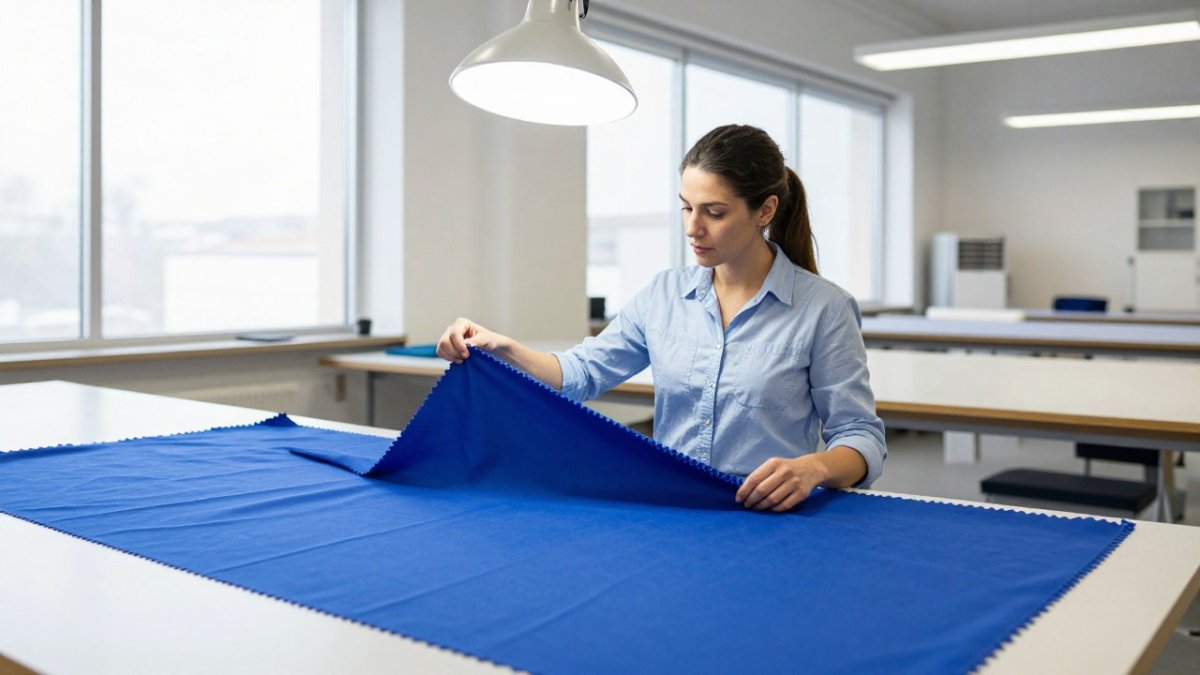
Polyester is versatile. It resists shrinking, holds dye well, and dries fast. The trade-off is that cheap polyester can feel slick or clammy, so fabric weight and weave matter as much as fiber content.
Polyester and Polyester-Blend Performance
Polyester and polyester-blend performance fabrics dominate travel baseball for good reason. They wick moisture, resist shrinking, and keep their color through a full season of washing.
A polyester-cotton blend softens the hand feel but gives up some wicking and durability.
Fabric weight affects how a garment feels and wears. Heavier knits feel more substantial; lighter knits breathe more but can show pilling sooner.
Mesh Panels, Ventilation, and Hot-Weather Games
Mesh panels are one way to add ventilation to a garment. Look for mesh in high-sweat zones such as the back, underarms, and side panels.
Watch out: too much mesh can reduce durability in high-abrasion spots like the elbows. Balance ventilation with a solid knit where players slide, dive, and lean.
Stretch Fabric for Baseball Pants: How Much Range of Motion Do Players Need?
Stretch fabric for baseball pants should offer enough give for a full range of motion without sagging. Four-way stretch is a common choice for fitted pants, but the useful question is not 'does it stretch', it is 'how much, in which directions, and does it recover.'

Two-way versus four-way stretch. Two-way stretch gives in one direction, usually horizontally across the garment, and can bind at the hips during a deep stance. Four-way stretch moves in every direction, which is what sliding, crouching, and sprinting demand. For fitted travel pants, four-way is the safer default.
What the numbers mean. Supplier specs often list stretch percentage and fabric weight. Stretch percentage describes how far the fabric can extend before it stops recovering; higher percentages mean more give, but very high stretch can feel less supportive.
Recovery matters as much as stretch. A fabric that stretches but does not snap back sags at the knees and seat by the second inning. Spandex provides recovery, but heat degrades it, so care habits directly affect how long pants keep their fit. Cold washing and air drying protect the elastic fibers.
Position priorities. Catchers and infielders benefit most from stretch because they spend the most time in deep crouches and quick lateral moves. Pitchers want a fabric that does not restrict the windup, especially through the hips and shoulders. Outfielders want pants that stay put during a sprint rather than bunching or dragging.
Age and level. Younger players need room to grow and fabrics that survive playground-level wear, so a slightly looser cut with durable polyester blend works well. High school and adult travel leagues can use a closer, performance fit with four-way stretch and moisture-wicking jerseys. Check actual measurements against sizing charts before ordering, since fit varies by fabric and cut.
A common mistake. Sizing up to get more room instead of choosing a stretch fabric fixes the tightness but creates baggy pants that catch and drag. Pick the fabric first, then the size.
Moisture-Wicking Sports Uniform Fabric and Breathability
Moisture-wicking sports uniform fabric pulls sweat away from the skin so it can evaporate, keeping players drier and cooler than cotton, which holds moisture against the body. Breathability and wicking work together: one moves sweat off the skin, the other lets air and vapor escape.
Look for fabrics described as performance or moisture-wicking, and check the weave.
The practical test is simple.
Durability, Color Retention, and Repeated Washing
Durability and color retention are where cheap uniforms quietly fail. A jersey that fades or pills by mid-season looks worn out even if the seams hold.
For a deeper look at which fabrics survive a full schedule, see our guide to durable fabric for baseball jerseys.
Care habits matter as much as fiber. Skip the fabric softener, which can coat performance fibers and reduce wicking.
Team Uniform Fabric Care: Making Jerseys Last Beyond One Season
Team uniform fabric care comes down to a few habits that keep performance fabrics working. Wash cold, turn garments inside out, avoid fabric softener, and air dry when you can.
Wash in cold water on a gentle cycle
Turn jerseys and pants inside out before washing
Skip fabric softener and bleach
Air dry or tumble on low heat
Treat stains promptly, before they set
Store clean and dry, away from damp gear bags
Heat is the enemy of stretch and color. High dryer temperatures break down spandex fibers and speed fading. Air drying protects both.
A common mistake is washing the whole team's gear in one hot load after a tournament. That is the fastest way to shrink pants and dull colors. Sort by color, keep it cool, and your uniforms will look sharper longer. For planning replacements, our uniform replacement schedule rules help you decide when to reorder.
How Fabric Choice Affects Your Team Budget and Replacement Frequency
Fabric choice drives long-term team budget more than most coaches expect, but the reason is mechanical, not mystical. A uniform's total cost of ownership is the purchase price divided by the number of seasons it stays playable, plus any mid-season replacements and repair costs.
Here is how the fabric variables actually move that equation.
Abrasion resistance and pilling. Pilling is the small fiber balls that form where fabric rubs against itself, typically at the underarms, sides, and where a jersey tucks into pants. Lower-quality polyester and polyester-cotton blends pill faster because short staple fibers work loose.
Color retention. Sublimated designs, where dye is infused into the fabric rather than printed on top, generally hold color longer than surface decoration. But the base fiber matters too: polyester accepts and holds dye well, while cotton blends tend to fade faster after repeated hot washes.
Stretch recovery. Spandex gives pants their four-way stretch, but spandex degrades with heat. High dryer temperatures break down the elastic fibers, so pants lose recovery and start to sag at the knees and seat.
Repairability. Most travel uniforms are not designed for repair, but some failures are fixable. A blown seam can often be re-stitched by a local tailor or the supplier; a cracked screen print or embroidery cannot be restored. That asymmetry favors sublimation for teams that want a design to survive the full wear life of the garment.
Expected wear life. Lighter knits and cotton blends tend to show wear sooner. Treat those as planning ranges, not guarantees, and confirm with your supplier what they expect for the specific fabric weight you are ordering.
Replacement timing. Instead of replacing uniforms mid-season in a scramble, build a predictable cycle. If your fabric and care routine reliably deliver two seasons, budget for a full reorder every other year and keep a small set of spare jerseys and pants in common sizes for mid-season replacements.
Textile care guidance from the American Cleaning Institute supports the cold-wash, air-dry habits that extend garment life and protect stretch fibers.
When you are ready to price out options, you can request custom travel league uniform quotes to compare fabric choices against your budget, and our uniform replacement schedule rules help you decide when to reorder.
Fit, Sizing, and Fabric Trade-Offs for Every Age Group
Fit and fabric trade-offs shift by age group. Younger players need room to grow and fabrics that survive playground-level wear; older players want a closer, performance fit with real stretch.
For youth teams, a slightly looser cut and a durable polyester blend work well. For high school and adult travel leagues, fitted pants with four-way stretch and moisture-wicking jerseys suit the pace of play. Check actual measurements against sizing charts before ordering, since fit varies by fabric and cut.
Decoration is the other trade-off.
If you are new to travel apparel, our custom team apparel guide covers the full ordering picture. At Hometown Team Sports, we offer unlimited fabric color choices and full team packages so you can match fabric, fit, and design to your roster.
Fabric decisions are the foundation of a season that holds up, and getting them right early saves money and frustration later. Hometown Team Sports builds custom team uniforms with premium materials, unlimited fabric color customization, and full team packages, backed by fast service and delivery. Get started with Hometown Team Sports and outfit your team in fabric that lasts all season.
Frequently Asked Questions
Is polyester or a polyester blend better for team uniforms?
Polyester fabrics handle moisture and color retention well, and blends are one option to consider for jerseys and pants. Ask your provider which blend ratio they use and whether the fabric carries shrink resistance, since that decides how the uniform looks in August versus April.
Are mesh uniforms cooler for hot-weather games?
Mesh panels move air through the garment, which helps during tournament weekends in direct sun. Full mesh jerseys offer airflow but can offer less structure. Some garments pair a performance fabric body with mesh ventilation panels, so check the construction when comparing options. Teams playing mostly evening games can skip heavy mesh and stay with a standard knit.
How much stretch should travel league uniform pants have?
Fitted pants need enough stretch for a full squat, a slide, and a throwing motion without pulling at the knees or waist. Four-way stretch fabric is one option for that range of movement. When you try samples, have a player take a fielding stance and a lead off first base. If the fabric binds or the waist rolls, the stretch content is too low for travel-level play.
What should a team ask a uniform provider about fabric before ordering?
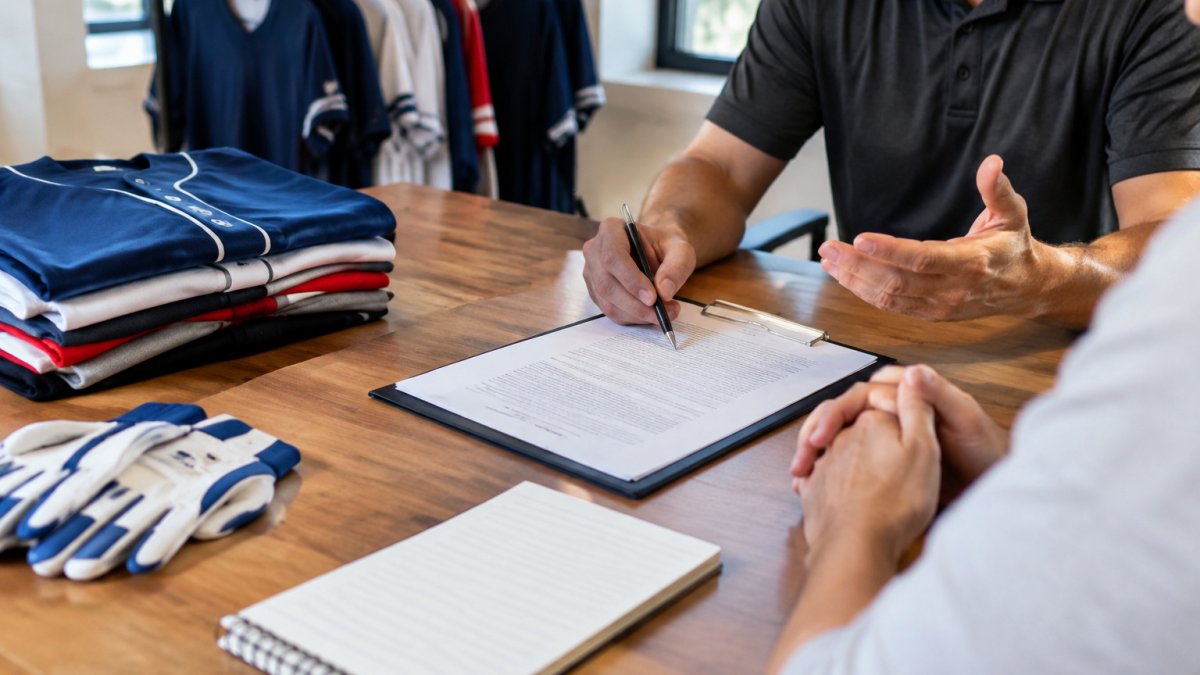
Ask for the fabric content by percentage, the stretch direction (two-way or four-way), and whether the material is shrink resistant and colorfast. Request a physical swatch so you can check color against your screen before committing. Confirm how decoration works on that fabric before ordering. Finally, ask about care instructions and expected lifespan so you can plan replacement costs across a multi-season budget.

Comments